
How to eat healthy on a cruise without missing out
To eat healthy on a cruise, decide on one or two rules before you board, such as one plate at the buffet and water between drinks, and let the rest of the week be a vacation. The food is included, so the trick isn't willpower at every meal. It's changing the defaults that make it easy to eat five times a day.
Why cruises make healthy eating hard
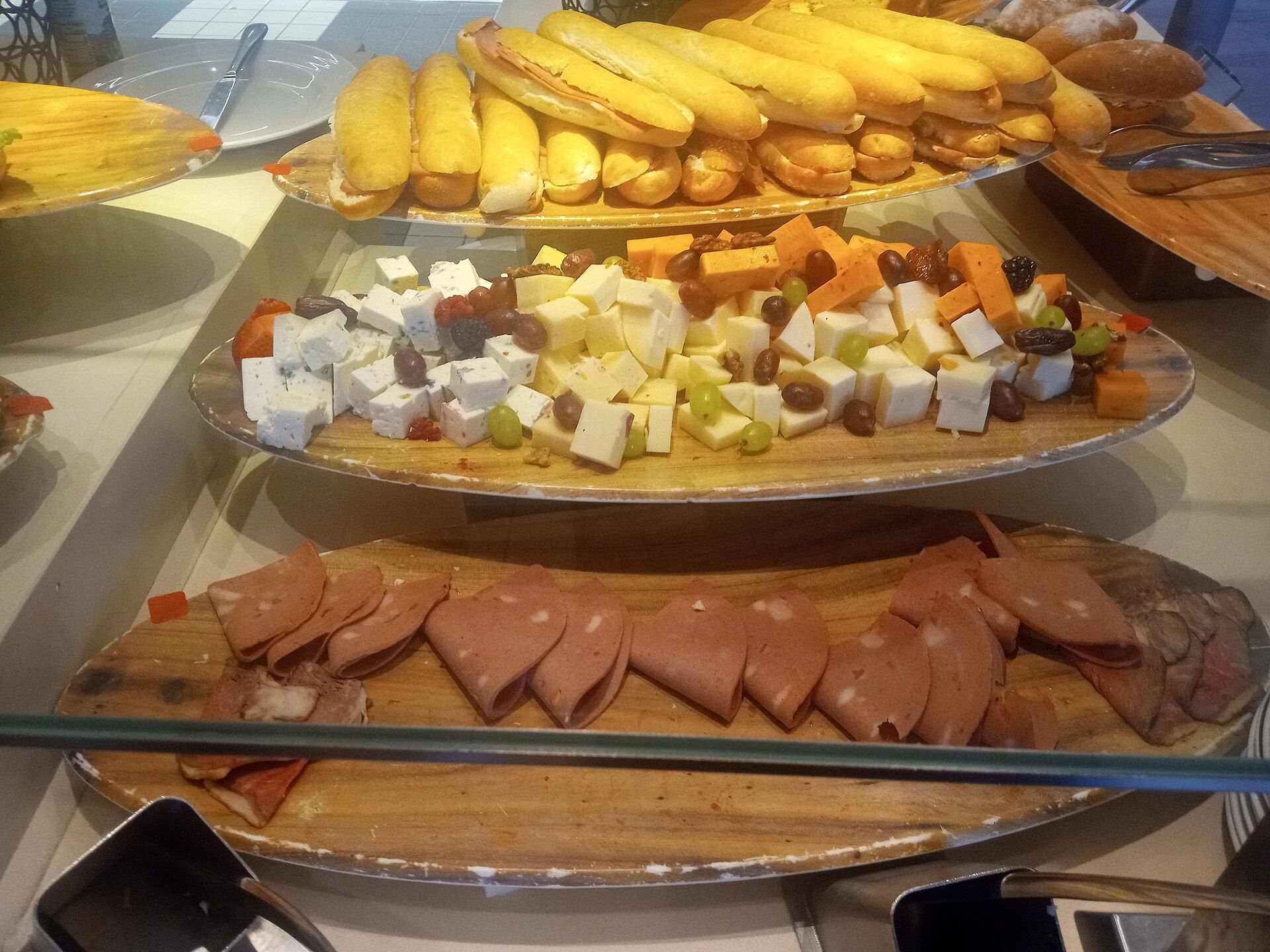
It isn’t the quality of the food. It’s the access. A mainstream cruise ship has a buffet open most of the day, a main dining room with several courses at dinner, pizza and burgers by the pool and room service. None of it needs a wallet, so nothing slows you down.
A week of that can add up. The goal here isn’t a diet. It’s leaving the ship feeling the way you did when you got on.
Pick two rules before you board
Rules you set in advance work better than decisions made in front of a dessert counter. Choose two that suit you:
- One plate at the buffet, and sit down to eat it.
- No snacks between meals except fruit.
- Dessert at dinner only, not at lunch and the pool as well.
- Water between alcoholic drinks.
- Stairs, not elevators, for anything under four or five decks.
Two rules you keep beat six you drop by Tuesday.
The buffet
The buffet is where most extra food happens, because you can see everything at once.
- Walk the whole buffet first, then choose. You’ll take less than if you fill a plate from the first counter.
- Fill half the plate with vegetables or salad, a quarter with protein, a quarter with starch. That’s roughly the USDA’s MyPlate split.
- Use the smaller plates where they’re offered.
- Go to the omelet or grill station at breakfast for eggs cooked to order, rather than the pastry and hash brown trays.
- Don’t treat it as a snack bar. Most buffets are open long hours; eat at set meal times.
The main dining room
The dining room is easier to manage than the buffet, because courses come in fixed portions.
- You don’t have to order every course. Skip the appetizer or the soup if you’re not hungry.
- Ask for changes. Sauce on the side, vegetables instead of fries, grilled instead of fried: waiters get these requests every night.
- Look for the simplest dishes. Grilled fish, vegetarian mains, vegetable sides and salads are the easy wins; ask your waiter which dishes are lightest.
- Order fish or a salad and a dessert, rather than three rich courses.
Lines with a stronger food focus, such as Oceania and Virgin Voyages, tend to have smaller plates and more fresh, lighter dishes, which makes all of this easier. Celebrity is another good choice if food quality matters to you.
Drinks are the hidden part
Cocktails, sodas and specialty coffees can add more calories than food, especially with a drink package that makes every drink feel free. Frozen cocktails and piña coladas are the heaviest.
- Drink water through the day. Tap water, iced water and basic juice at breakfast are usually included on mainstream lines.
- Choose wine, beer or spirits with a low-calorie mixer over frozen and cream-based cocktails.
- Alternate each alcoholic drink with water.
- Think twice before buying a drink package. It pays off only if you’d drink a lot anyway, and it can push you to. Our guide to all-inclusive cruises covers which lines include drinks in the fare.
The NIAAA’s guidance is a sensible benchmark, on vacation as at home: it notes that harm can come with any amount of alcohol and rises the more you drink.
Move without trying
You don’t need the gym to stay active on a ship, though most ships have one.
- Take the stairs. A large ship can have well over a dozen decks.
- Walk or jog the outdoor track, often on an upper deck, early in the morning before it gets hot.
- Choose walking tours or snorkeling in port over bus tours.
- Try a fitness class, but check the price first. On Carnival, for example, the gym and jogging track are included, while yoga, pilates, indoor cycling and boot camp classes cost extra. Other lines vary.
Special diets and allergies
Tell the cruise line about any food allergy or dietary requirement when you book, not when you board. Most lines have a form or special-needs department for this, and the dining room staff will then know about you on day one.
- Vegetarian and vegan: widely available on the larger lines. Ask for the vegan options at the start of the cruise.
- Gluten-free, low-sodium and diabetic-friendly meals: usually available on request, sometimes with advance notice.
- Serious allergies: talk to the head waiter on the first night, and check each dish at the buffet, where cross-contact is harder to control.
If you have a medical condition that affects your diet, such as diabetes, speak to your doctor before the trip and bring what you need to manage it. This guide is general advice, not medical advice.
Can you bring food on a cruise?
Usually some, but less than people expect. Each line sets its own rules, and they change. Here is what the three biggest mainstream lines allowed on U.S. sailings as of September 2026; check your line’s FAQ before you pack. For everything else that goes in the suitcase, see our cruise packing list.
- Snacks
- Royal Caribbean allows non-perishable, prepackaged food in limited quantities. Sealed, commercially packaged snacks are the safe choice on any line; homemade and fresh-cooked food is usually not allowed.
- Fresh fruit
- You may be able to bring it aboard, but you generally cannot take it off the ship in port or bring it back into the U.S.
- Soft drinks and water
- Rules vary most here. Carnival: up to 12 sealed cans or cartons of 12 oz or less per person, carry-on only, no bottles. Royal Caribbean: up to 12 standard (17 oz) cans, bottles or cartons per stateroom. Norwegian: none, except sealed water for medical devices or infant formula.
- Wine
- Carnival and Royal Caribbean: one sealed 750 ml bottle of wine or champagne per adult of drinking age on embarkation day, with a $15 corkage fee if you drink it in a restaurant or bar. Norwegian allows sealed wine for guests 21 and over, subject to a corkage fee.
- Spirits and beer
- Not allowed on any of the three, in carry-on or checked bags. Bottles bought in port are stored and returned at the end of the cruise.
- Medical and baby food
- Usually allowed, including milk or distilled water for infant or medical use. Tell the line in advance if you need refrigeration.
Two rules apply everywhere. First, ports have agricultural controls, so leave fruit, sandwiches and meat from the ship on board when you go ashore. Second, U.S. Customs and USDA rules restrict what you bring back: CBP advises against bringing in fresh produce and bars most foreign meat products. Declare anything you’re unsure of, since failing to declare agricultural items can mean a fine.
Bringing your own snacks can help if you want something specific, such as high-fiber cereal, protein bars or nuts. For most people, though, the ship’s fruit, salad and grill stations are enough.
Healthy eating on a cruise FAQ
Can you bring food on a cruise ship?
Sealed, packaged snacks are usually fine in your carry-on. Homemade food, fresh-cooked food, beer and spirits aren’t. Drinks rules vary most by line: Carnival and Royal Caribbean allow a limited number of sealed soft drinks and one bottle of wine per adult, while Norwegian allows wine but no soft drinks or water.
Can I take food off the ship in port?
Generally no, especially fresh fruit and meat. Most ports have agricultural rules, and ships often remind passengers not to take food ashore.
Is it possible to eat healthy on a cruise?
Yes. Every mainstream ship has salads, fruit, grilled fish and chicken, and cooked-to-order eggs. The hard part is the constant availability, which a couple of simple rules handle.
Do cruise lines cater to special diets?
Most do, including vegetarian, vegan, gluten-free and allergy-aware meals. Tell the line when you book, then confirm with the dining room team on the first day.
How do I avoid getting sick from food on a cruise?
Wash your hands with soap and water before every meal, especially at the buffet. The CDC’s Vessel Sanitation Program inspects cruise ships and publishes their scores, and its first tip for passengers is to wash your hands often, especially after using the toilet and before eating.
Sources
- NIAAA (NIH): drinking levels and patterns
- CDC Vessel Sanitation Program: about the program
- CDC Vessel Sanitation Program: tips for healthy cruising
- U.S. Customs and Border Protection: prohibited and restricted items
- Carnival Cruise Line help: liquor and beverage policy and prohibited items
- Carnival Cruise Line: fitness classes
- Carnival Cruise Line: fitness center
- Royal Caribbean FAQ: bringing alcohol, bottled water or soda on board
- Royal Caribbean FAQ: corkage fee
- Norwegian Cruise Line FAQ: liquor and beverage policy